

AI personalized learning uses intelligent systems to adapt educational experiences to a learner’s needs. Instead of giving every student exactly the same sequence of practice, adaptive software can use performance signals to suggest different levels, explanations, or exercises.
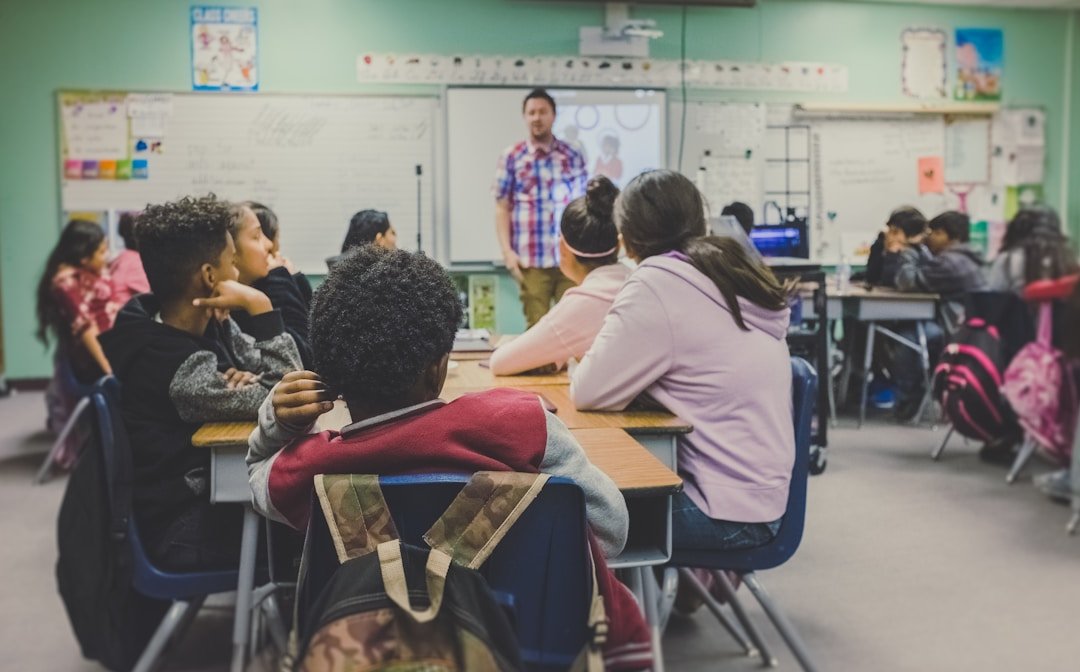
This approach can be useful across schools, universities, tutoring services, and online learning platforms in the USA, UK, Canada, Australia, India, Pakistan, Europe, and Asia.
How Adaptive Learning Works
A platform may look at answers, completion patterns, or areas of difficulty and use that information to recommend the next activity. The purpose is to provide targeted practice, not to label a student permanently.
Potential Benefits
- Students can receive practice at an appropriate level.
- Teachers can see areas where learners need additional help.
- Explanations can be presented in different ways.
- Students can move faster through material they already understand.
- Platforms can provide feedback between teacher interactions.
Risks to Consider
Personalized systems depend on data and assumptions. Incorrect data can lead to poor recommendations, while biased models may work better for some groups than others. Schools should protect student information and avoid treating an algorithmic recommendation as a complete picture of a learner.
Final Thoughts
The promise of AI personalized learning is better support for individual differences. The strongest model combines adaptive technology with teachers who understand context, motivation, and the human side of learning.
Designing Better Experiences With AI personalized learning
Adaptive learning can be useful when students need different amounts of practice or different explanations. A system might recommend another example after a wrong answer or allow a learner to move ahead after demonstrating mastery. The value comes from the quality of the learning design, not from personalization alone.
Teachers should be able to see enough information to understand why a recommendation was made. Students should also avoid being permanently defined by an algorithmic profile. Learning is influenced by motivation, environment, language, and many other factors that change over time.
Protect learner data
Schools should know what data a platform collects, why it is needed, who can access it, and how long it is retained. Privacy should be part of procurement and classroom planning.
Frequently Asked Questions
Does personalized learning mean students learn alone?
No. Adaptive technology can work alongside teachers, tutors, peers, and collaborative activities.
Can AI identify every learning need?
No. Performance data provides only part of the picture.
What makes adaptive learning useful?
Clear learning goals, good data, appropriate feedback, teacher oversight, and regular evaluation.
Further Reading
See our AI for teachers guide and UNESCO’s guidance on human-centred generative AI in education.