

AI for teachers can reduce repetitive work involved in lesson planning, resource creation, communication, and classroom administration. It can help educators create a starting draft, but professional knowledge and understanding of students remain essential.
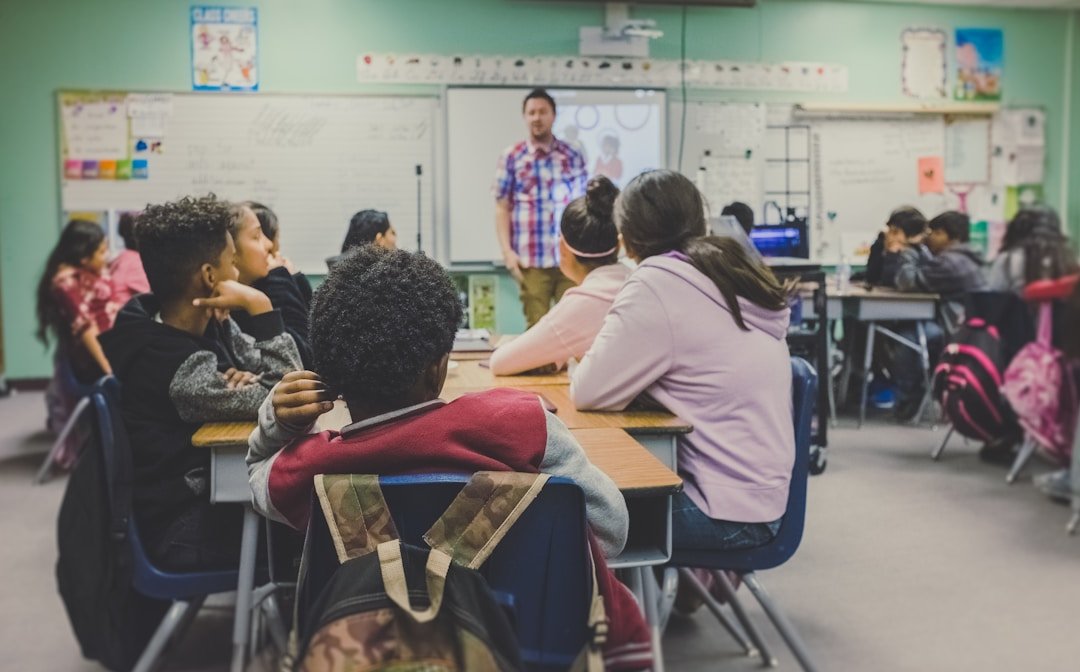
Teachers across the USA, UK, Canada, Australia, India, Pakistan, Europe, and Asia can use AI differently depending on curriculum and school policy.
10 Practical Uses
- Brainstorm lesson activities.
- Create draft quizzes and practice exercises.
- Generate examples for difficult concepts.
- Adapt explanations for different reading levels.
- Create discussion questions.
- Draft parent or student communications.
- Turn a lesson outline into a revision sheet.
- Prepare differentiated practice material.
- Summarize teacher notes into action lists.
- Generate ideas for project-based learning.
Review Every AI Output
Teachers should check facts, age suitability, cultural context, accessibility, and alignment with curriculum objectives. AI-generated material can sound confident even when it is inaccurate.
Keep the Teacher at the Center
Teaching involves relationships, motivation, classroom management, and understanding individual learners. AI can support preparation, but it cannot replace the teacher’s knowledge of the classroom.
Final Thoughts
Used responsibly, AI for teachers can return time to educators so they can focus on instruction, feedback, creativity, and student relationships.
Using AI for teachers Without Losing the Teacher’s Voice
Teachers can treat AI output as a first draft rather than a finished lesson. A generated activity should be checked for accuracy, age appropriateness, cultural context, accessibility, and alignment with curriculum outcomes. Educators can then add examples and explanations based on what they know about their students.
AI can also support routine administration. Drafting messages, organizing notes, or creating preliminary practice material may save time, but teachers should review anything that goes to students or families.
Professional judgment matters
The classroom is not a spreadsheet. Students have different motivations, backgrounds, learning needs, and emotional responses. AI can suggest possibilities, but teachers decide what is appropriate.
Frequently Asked Questions
Can AI create a whole lesson?
It can create a draft, but teachers should adapt and verify it before use.
Can AI grade students?
It may assist with preliminary feedback, but assessment policies and human review remain important.
What should teachers protect?
Student data, confidential records, assessment materials, and personal information should be handled according to school policy.
Further Reading
Read our AI tools for students guide and UNESCO’s education guidance.