

AI workplace automation can reduce repetitive digital work, but successful automation starts with choosing the right tasks. The goal is not to automate everything. It is to automate predictable steps while preserving human review where context, judgment, or accountability matters.
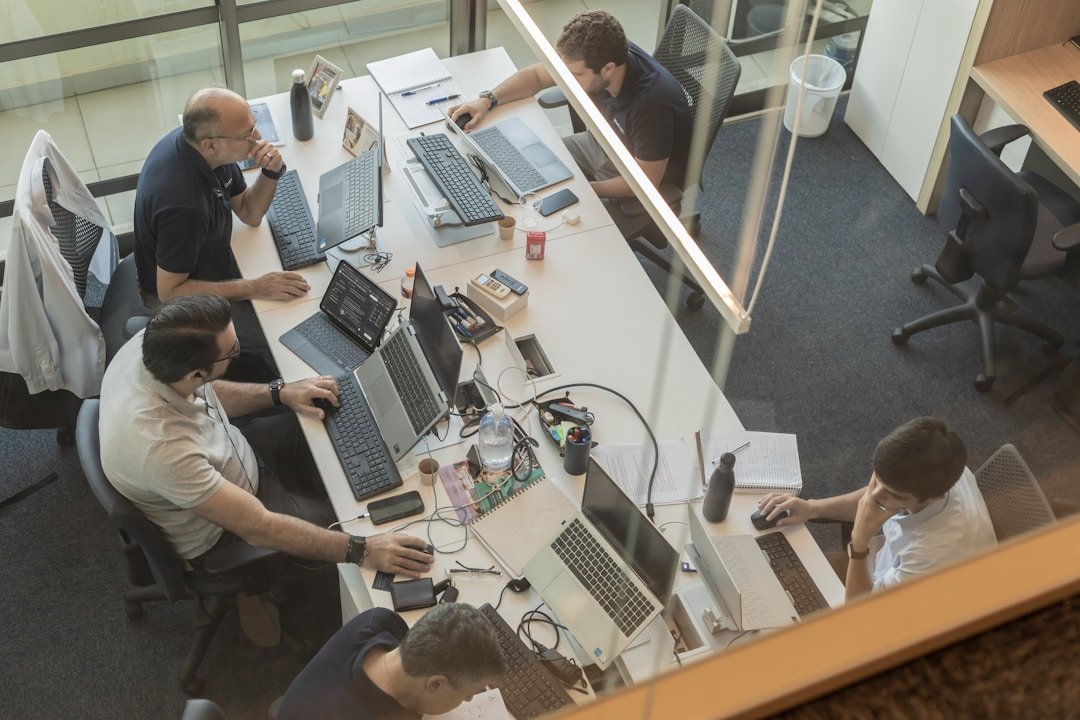
This approach can help organizations across North America, Europe, Asia, Australia, and other markets build practical AI workflows.
Good Candidates for Automation
- Repetitive data entry and classification
- Routine document summaries
- Standardized email drafts
- Meeting-note organization
- Basic reporting and notifications
- Frequently asked customer questions
Tasks That Need More Care
Hiring decisions, disciplinary actions, financial approvals, legal commitments, safety decisions, and sensitive customer cases often require human context. Automation can assist with preparation, but final responsibility should remain clear.
A Simple Automation Framework
- Map the current workflow.
- Find the repetitive step.
- Define the acceptable output.
- Choose an approved tool.
- Test with low-risk examples.
- Measure quality as well as time saved.
- Add human review and an escalation path.
Why Governance Matters
Automated systems can repeat mistakes at scale. Organizations should document workflows, permissions, data handling, and ownership so employees know what the system does and who is accountable.
Final Thoughts
The best AI workplace automation is invisible in the right way: it removes tedious steps while allowing people to focus on work that benefits from experience, judgment, and communication.
Choosing Tasks for AI workplace automation
The strongest automation candidates are repetitive, predictable, digital, and easy to verify. Examples include document classification, routine notifications, standard summaries, and simple information routing. Before automation, map the current process so the team understands where errors or exceptions can occur.
High-impact decisions deserve more caution. Hiring, discipline, credit, legal commitments, safety, and sensitive customer cases can involve context that an automated workflow may not understand. AI can assist preparation, but the organization should keep clear human accountability.
Monitor the workflow after launch
Automation is not a one-time project. Teams should review accuracy, exceptions, security, user feedback, and changing business requirements. A process that worked well during a pilot may need adjustment as conditions change.
Frequently Asked Questions
What should never be automated?
There is no universal list, but decisions involving high personal impact, safety, rights, or sensitive judgment usually need strong human oversight.
How do you measure automation?
Measure time saved, quality, error rates, customer impact, and the amount of human rework.
Can automation improve employee experience?
Yes, when it removes tedious tasks and gives employees more time for meaningful work.
Further Reading
Read our AI at work guide and the OECD AI Principles for responsible AI.