

AI for medical diagnosis is changing how healthcare professionals organize evidence and identify patterns. Modern systems can process medical images, laboratory information, patient histories, and other data much faster than traditional manual workflows. The goal is not to let software make every medical decision, but to give trained professionals useful assistance.
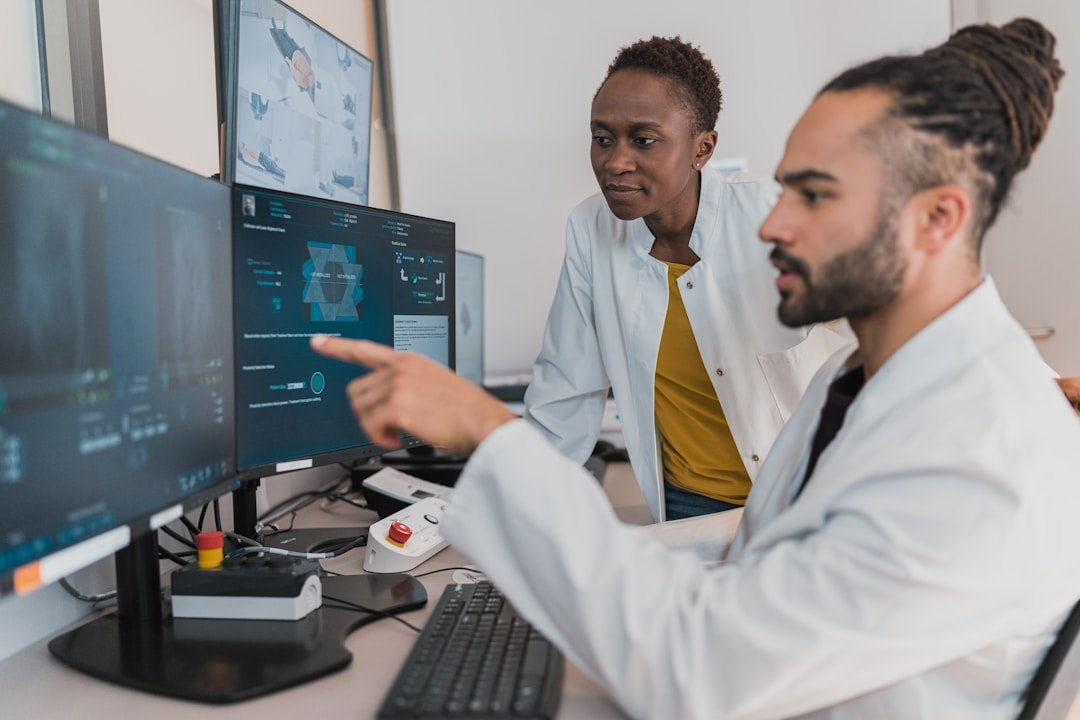
This development matters across the USA, UK, Canada, Australia, India, Pakistan, Europe, and other regions where clinicians face growing workloads and limited time. Used responsibly, AI can help teams focus attention where it may be most valuable.
How AI Supports Diagnosis
Diagnostic AI can examine large datasets and identify patterns that may be difficult to spot quickly. In imaging, for example, algorithms may flag areas for a radiologist to review. In other settings, software can organize symptoms, test results, and previous records so clinicians can consider relevant information together.
Key Uses of AI for Medical Diagnosis
Medical image analysis
Computer vision can assist with the review of X-rays, scans, photographs, and other images. The clinician still interprets the findings and decides what they mean for the individual patient.
Risk prediction
Machine learning can estimate patterns associated with certain health risks. These estimates may help care teams decide who needs closer monitoring or additional evaluation.
Clinical decision support
AI can surface relevant information from large records and medical literature, helping professionals compare possibilities and plan next steps.
Record summarization
Long patient histories can be difficult to review quickly. AI-assisted summarization can help organize important events, medications, test results, and notes for professional review.
Why Human Oversight Matters
AI output is not automatically correct. Data quality, bias, unusual cases, and changes in clinical practice can affect performance. A responsible workflow keeps a qualified healthcare professional involved, particularly when the result could influence diagnosis or treatment.
What Patients Can Ask
- Is AI being used as an aid or as an automated decision?
- Who reviews the AI result?
- What information does the system use?
- How is my health data protected?
Looking Ahead
The future of AI for medical diagnosis will depend on evidence, transparency, privacy, and careful integration into real clinical workflows. The strongest systems will support doctors rather than remove accountability from healthcare professionals.
Final Thoughts
AI can make medical information easier to analyze, but diagnosis remains a responsibility that requires clinical expertise and human understanding. Responsible adoption can make healthcare more efficient while keeping patient safety at the center.
Practical Questions to Ask About AI for medical diagnosis
AI-assisted diagnosis works best when it is treated as decision support rather than an automatic verdict. The quality of the input matters, and so does the environment in which the model was evaluated. Clinicians should know the intended use of a system, its limitations, and the circumstances in which its output should be ignored or escalated.
For patients, transparency matters. If software helps analyze an image or organize a record, the healthcare team should remain able to explain the final decision in language the patient can understand. This keeps technology from becoming a black box between people and their care.
Safety, privacy, and equity
Medical AI should be tested with appropriate populations and monitored after deployment. Privacy controls should limit access to health information, while governance should define who is responsible when a system produces an incorrect recommendation.
Frequently Asked Questions
Can AI diagnose a condition by itself?
AI may identify patterns, but a diagnosis should be made through appropriate clinical evaluation by qualified professionals.
Why can diagnostic AI make mistakes?
Models can encounter unusual cases, poor-quality data, bias, or situations different from their training environment.
Should patients avoid AI tools?
Not necessarily. They can be useful when used for appropriate purposes with clear limits and professional oversight.
Further Reading
Continue exploring practical AI topics in our AI and creativity guide, and review WHO guidance on responsible AI for health.