


Seeing is no longer enough to prove that something happened. Generative AI can produce convincing images, cloned voices, edited video, and fabricated documents that appear authentic at first glance. AI and deepfakes therefore create a new challenge for ordinary internet users: deciding what deserves belief before sharing, paying, reacting, or making a decision.
The answer is not to distrust every digital file. It is to build better verification habits. Deepfake detection tools can help, but source checking, context, and independent confirmation remain essential.
What Are Deepfakes?
Deepfakes are synthetic or manipulated media created with AI techniques. They can place a person’s face into another video, imitate a voice, generate a realistic photograph of an event that never happened, or alter existing material. The quality of synthetic media varies, and not every manipulated image is a sophisticated deepfake.
Why AI Deepfakes Matter to Everyday Users
A fabricated celebrity clip may seem harmless, but the same techniques can be used in scams, impersonation, harassment, false political claims, or misleading commercial content. A fake voice could be used to pressure someone into sending money. A fabricated image could influence public opinion before people have time to check it.
The risk is amplified by speed. Social platforms make it easy for emotionally powerful content to travel far before its origin is examined.
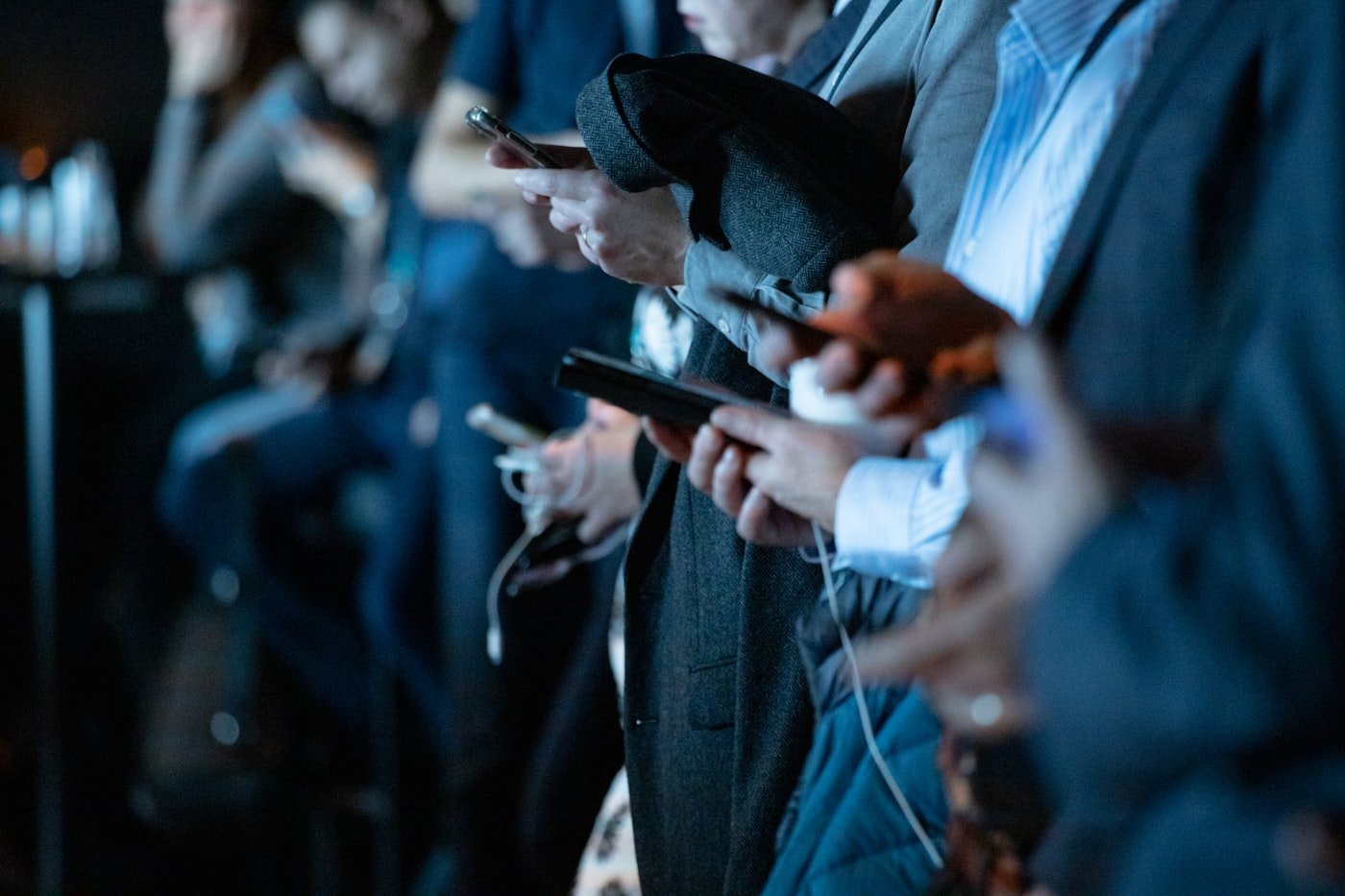
Six Signs That Content Deserves a Closer Look
1. The claim creates immediate emotion
Fear, anger, outrage, and surprise can reduce the instinct to verify. Strong emotional reactions are a reason to slow down, not a reason to share quickly.
2. The source is unclear
Ask who first published the material. A repost or screenshot is not the same as an original source.
3. The context is missing
A real photograph can still be misleading if it is presented as a different event or date. Look for information about when and where the media was created.
4. The voice or face seems unusual
Odd lip movement, unnatural pauses, strange lighting, inconsistent reflections, or unusual audio artifacts may be clues. However, visual glitches are not a reliable test by themselves.
5. Trusted reporting does not match
For major claims, compare several independent reputable sources. Lack of confirmation does not automatically prove a claim false, but it should lower confidence.
6. Someone wants money or urgent action
Verify requests through a separate channel. If a relative appears to call with an emergency request, call their known number rather than relying only on the incoming voice or message.
Deepfake Detection Is Useful, But Not Perfect
AI detection systems can analyze patterns in images, audio, or video. They may identify signs associated with synthetic content. Yet detection accuracy can change as generation methods improve, and a detector can produce false positives or false negatives.
That means a detector result should be treated as one piece of evidence. It should not become a replacement for source verification.
A Practical Verification Workflow
- Pause. Do not share immediately.
- Find the source. Look for the earliest credible publication.
- Check context. Confirm the date, location, speaker, and surrounding information.
- Compare sources. Search for independent confirmation from reputable organizations.
- Verify people separately. For money or sensitive requests, use a known contact method.
- Share responsibly. If uncertainty remains, describe the claim as unverified rather than presenting it as fact.
AI and Deepfakes in the United States, Europe, Asia, and Beyond
Digital trust challenges are global, but the surrounding media environments differ. Users in the United States, UK, Canada, Australia, Pakistan, India, Europe, and other regions encounter different languages, platforms, news ecosystems, and levels of digital literacy.
Multilingual misinformation creates another challenge because translated or locally adapted content can move across communities quickly. Verification skills should therefore be taught as practical digital literacy, not as a specialist technology skill.
How Families and Communities Can Build Better Habits
Parents, teachers, community groups, and workplaces can make verification normal. Encourage people to ask simple questions: Who made this? What is the original source? Can the claim be independently confirmed? What evidence would change my mind?
These questions are useful even when content is completely genuine. Digital literacy is not about assuming everything is fake; it is about matching confidence to evidence.
Protecting Yourself From Voice and Identity Scams
Never rely solely on a familiar-sounding voice when a request involves money, passwords, security codes, or urgent action. Establish family verification phrases or agreed contact methods where appropriate. Businesses can also create procedures requiring a second person or separate channel for unusual payment instructions.
What Platforms and Organizations Can Do
Technology companies can provide provenance signals, reporting mechanisms, labeling approaches, and safety controls. News organizations can show source information clearly. Schools can teach media literacy. Employers can train staff to recognize impersonation and verify unusual requests.
No single solution will eliminate synthetic misinformation. The stronger approach combines technical measures, responsible platform design, trustworthy journalism, education, and individual verification habits.
The Future of Digital Trust
As generative tools become more capable, proving authenticity may become more important than simply spotting visual defects. Provenance systems, cryptographic signing, platform policies, and trusted publication channels may help users establish where media originated and whether it changed.
Even then, users will still need judgment. A genuine image can be used with a false caption, and an authentic video can be edited selectively. Authenticity and truth are related but not identical.
Conclusion
AI and deepfakes make digital trust harder, but better habits can reduce the risk of being misled. Pause before sharing, investigate the source, check context, compare independent reporting, and verify urgent requests through another channel. Detection technology can help, but responsible human judgment remains a central part of navigating synthetic media.
Frequently Asked Questions
1. What is a deepfake?
A deepfake is AI-generated or AI-manipulated media designed to depict a person, event, voice, or scene in a way that may appear authentic.
2. How can I tell if a video is a deepfake?
Look for unusual artifacts, but do not rely on appearance alone. Check the original source, context, date, and independent reporting.
3. Can AI detectors always identify deepfakes?
No. Detection tools can make mistakes and may become less reliable as generation techniques change.
4. Can a deepfake voice be used in a scam?
Yes. A convincing synthetic voice can support impersonation attempts. Verify urgent financial or security requests through a known contact method.
Do not present uncertain material as fact. Verify it first and avoid amplifying harmful or misleading claims.
6. Are all AI-generated images harmful?
No. Synthetic media has legitimate creative and educational uses. The concern is deceptive use, especially when people are misled or harmed.
Suggested Internal Links
Suggested Reliable Sources
- UNESCO
- OECD
- National Institute of Standards and Technology
- European Commission
- Federal Trade Commission