

AI and academic integrity are closely connected as students gain access to tools that can generate essays, solve problems, summarize readings, and create presentations. The challenge for schools and universities is to encourage useful technology while protecting genuine learning and honest assessment.
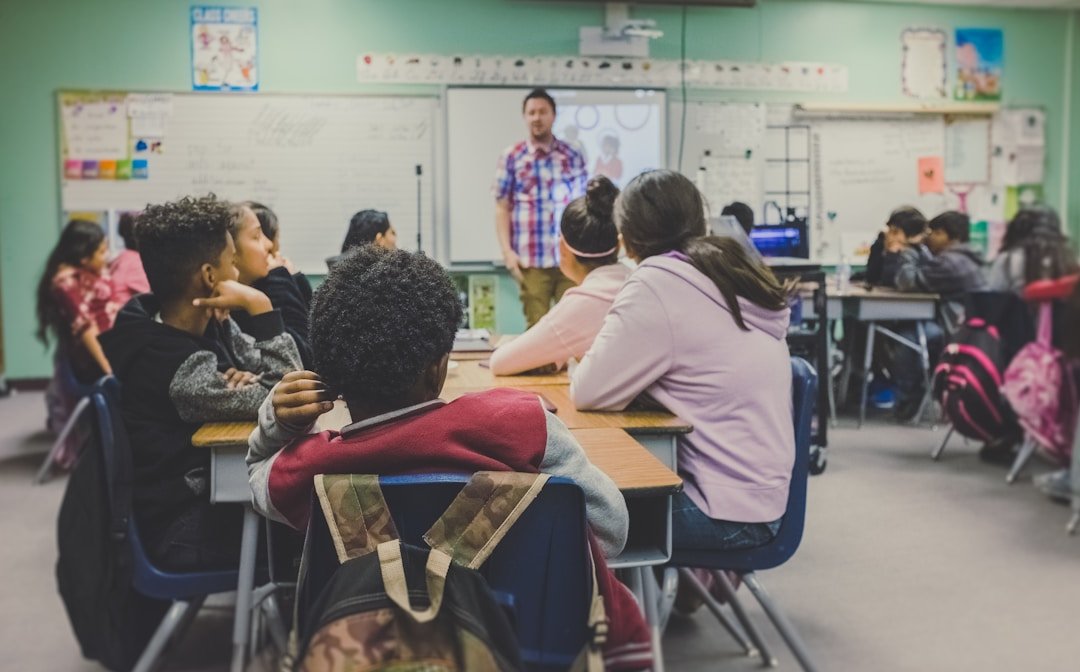
Policies differ across the USA, UK, Canada, Australia, India, Pakistan, Europe, and other regions, so students should follow the rules of their own institution.
What Responsible AI Use Looks Like
- Using AI to explain a concept you do not understand.
- Generating practice questions for revision.
- Checking grammar in your own writing when permitted.
- Brainstorming possible research directions.
- Using approved accessibility or translation support.
Where Problems Begin
Submitting generated work as your own, inventing references, using prohibited assistance during assessments, or failing to disclose AI use when required can undermine academic integrity.
How Schools Can Respond
Clear policies are more useful than vague warnings. Educators can explain acceptable uses, redesign assessments around reasoning and discussion, and teach students how to verify AI-generated information.
Final Thoughts
AI and academic integrity do not have to be opposing ideas. With clear rules and thoughtful assessment, schools can teach students to use AI as a learning tool while preserving independent thinking.
Building Trust Around AI and academic integrity
Academic integrity policies work best when they explain the difference between learning support and outsourcing the learning task. A student may be allowed to use AI to brainstorm questions or practice a concept, while an assignment may require independent writing or reasoning. Clear examples reduce confusion.
Assessment can evolve too. Teachers can ask students to explain decisions, discuss drafts, show working, or reflect on sources. These approaches make the learning process more visible and can coexist with responsible technology use.
Teach verification as a core skill
Students should learn that AI output is a starting point, not automatically a reliable source. Checking facts, citations, calculations, and original materials is part of responsible digital learning.
Frequently Asked Questions
Is all AI use cheating?
No. It depends on the rules, purpose, and assignment. Institutions should define acceptable and prohibited uses clearly.
Should students cite AI?
Follow the required academic style and your institution’s policy when AI assistance needs to be disclosed.
Why does verification matter?
AI can produce confident but incorrect information, so students remain responsible for the accuracy of their work.
Further Reading
Explore our AI in education article and UNESCO guidance for generative AI in education and research.