

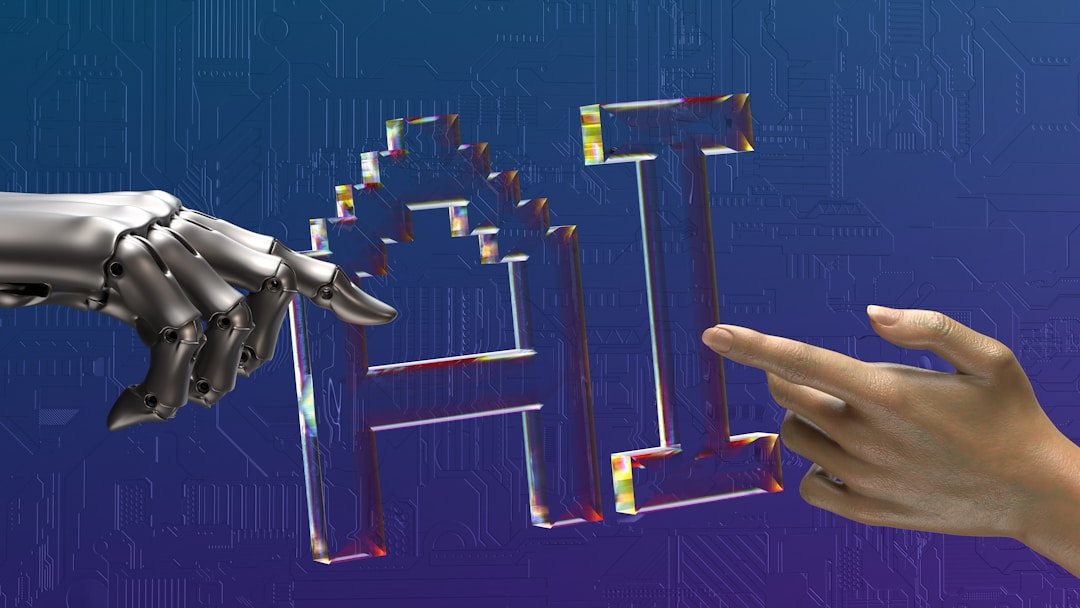
Artificial intelligence is changing the way people write, design, make videos, create music, and develop new ideas. But the most interesting part of AI and creativity is not whether machines can replace creative people. It is how AI can become a practical creative partner that helps humans explore more ideas, work faster, and turn rough concepts into finished work.
From brainstorming a campaign to generating a visual concept or improving a first draft, modern AI tools can remove repetitive work and give creators more time to focus on judgment, emotion, originality, and storytelling. This guide explores how artificial intelligence is transforming creative work and how to use it without losing the human perspective.
What Is AI and Creativity?
AI and creativity describes the growing relationship between artificial intelligence and human creative work. AI systems can analyze patterns, generate text and images, suggest ideas, organize information, and help creators experiment with different directions.
AI does not have to be treated as an independent artist. A more useful approach is to think of it as a creative co-pilot. The human creator provides the purpose, context, taste, experience, and final judgment, while AI can help with exploration, variation, and repetitive tasks.
How AI Is Transforming Creative Work
1. Faster Idea Generation
Creative blocks can slow down even experienced writers, designers, marketers, and entrepreneurs. AI can help by generating starting points, alternative concepts, questions, headlines, outlines, or creative directions.
The goal is not to accept the first AI suggestion. Instead, creators can use several suggestions as raw material and combine them with their own experience to discover a stronger idea.
2. Smarter Writing and Storytelling
AI writing assistants can help with brainstorming, outlining, editing, rewriting, summarizing, and adapting content for different audiences. A writer can start with a rough idea and use AI to explore possible structures before making the final piece their own.
This can be especially useful for blog posts, scripts, newsletters, product descriptions, social media content, and educational material. Human editing remains essential because tone, accuracy, originality, and audience understanding cannot simply be delegated to a machine.
3. New Possibilities in Visual Design
Generative AI has made visual experimentation much faster. Creators can describe a concept and explore different compositions, moods, styles, and visual directions before investing significant time in production.
For designers, marketers, and content creators, this can turn a vague idea into a visual reference that helps communicate what they want. Professional judgment is still needed to select appropriate imagery, maintain brand consistency, and check usage rights.
4. Music, Audio, and Video Creation
AI is also entering music and audiovisual production. Creative tools can assist with tasks such as transcription, captioning, audio cleanup, editing, sound generation, storyboarding, and other production workflows.
These capabilities can reduce technical friction and make experimentation more accessible. A filmmaker, musician, or creator can spend less time on repetitive production steps and more time developing the creative direction.
5. Personalized Creative Experiences
AI can help organizations adapt creative content to different audiences. Marketing teams can test variations of headlines, messages, visuals, and campaign concepts more efficiently.
Used responsibly, personalization can make content more relevant without requiring a completely separate creative process for every audience segment.
Real-World Examples of AI-Powered Creativity
- Writers use AI to brainstorm topics, structure articles, and improve early drafts.
- Designers use generative tools to explore visual concepts and mood boards.
- Marketers use AI to develop campaign ideas, messaging variations, and content briefs.
- Video creators use AI for transcripts, captions, editing assistance, and production workflows.
- Entrepreneurs use AI to turn business ideas into names, concepts, presentations, and early prototypes.
- Educators use AI to develop examples, lesson ideas, exercises, and learning materials.
Benefits of AI for Creative Professionals
- More experimentation: Creators can test multiple ideas quickly.
- Less repetitive work: AI can assist with time-consuming production tasks.
- Faster iteration: Ideas can move from concept to draft more quickly.
- Lower barriers: Beginners can explore creative workflows that once required specialized skills.
- More creative time: Automation can leave more room for strategy, storytelling, and refinement.
The Human Side of AI and Creativity
The strongest creative work still depends on human choices. Creativity is not only the ability to produce something new. It also involves knowing why something matters, understanding an audience, recognizing emotion, making cultural connections, and deciding what should or should not be created.
AI can produce many possibilities, but the creator decides which possibility is meaningful. That distinction is important. The future of creative work is likely to involve collaboration between human judgment and increasingly capable AI systems rather than a simple replacement of one by the other.
Challenges Creators Should Consider
Originality and Creative Identity
Relying too heavily on generated content can make creative work feel generic. Creators should add their own experiences, opinions, examples, style, and perspective.
Accuracy and Quality
AI-generated content can contain mistakes or misleading information. Important facts should be checked, especially when content involves technical, financial, legal, medical, or current topics.
Copyright and Usage Rights
Creative AI tools can raise questions about ownership, training data, licensing, and acceptable use. Before publishing or commercializing AI-assisted work, creators should understand the terms of the tools and the rights associated with the assets they use.
Over-Reliance on Automation
The easiest workflow is not always the best creative workflow. If every decision is delegated to AI, creators may lose the experimentation and personal thinking that make their work distinctive.
How to Use AI Without Losing Your Creativity
- Start with your own idea. Give AI a clear creative direction instead of asking it to decide everything.
- Ask for alternatives. Use AI to expand your options rather than accepting one answer.
- Add personal experience. Include your own examples, observations, stories, and opinions.
- Edit aggressively. Remove generic language and keep only what improves the final work.
- Verify important claims. Treat AI output as a draft that needs review.
- Protect your creative voice. Use AI to support your style, not replace it.
The Future of AI and Creativity
As AI tools become more capable, creative workflows will continue to change. The technology will likely become easier to use, more integrated into everyday software, and better at working across text, images, audio, video, and other formats.
That does not make human creativity less important. In many ways, it makes creative direction more valuable. When producing a draft becomes easier, the ability to choose the right idea, create a compelling point of view, and connect with people becomes even more important.
Final Thoughts
AI and creativity are becoming closely connected, but the best results come from collaboration. Artificial intelligence can help creators brainstorm, experiment, automate repetitive tasks, and move faster. Humans bring purpose, emotion, experience, critical thinking, and creative judgment.
The real opportunity is not to ask whether AI can create without people. It is to ask what people can create when intelligent tools help them explore ideas they might not have reached alone.
What do you think? Is AI making your creative process better, faster, or more experimental? Share your experience and ideas in the comments.
[…] a broader look at how AI is changing different parts of life, explore our guide to AI and creativity and keep following Living With AI for practical technology […]
[…] exploring practical AI topics in our AI and creativity guide, and review WHO guidance on responsible AI for […]
[…] another perspective, read our AI and creativity guide and review the OECD AI Principles for a global framework for trustworthy […]
[…] our AI and creativity guide and the OECD AI Principles for a trustworthy approach to […]
[…] our AI and creativity guide and the UNESCO guidance on generative AI in education and […]
[…] our AI and creativity guide and the OECD AI Principles for a broader view of trustworthy […]